Category Archives: Uncategorized

The History of Our Winery

January 16, 2026

Every vineyard has a story, and few stories are as rich as the history of [Winery Name]. Nestled in the heart of [Region], this winery has been crafting exceptional wines for generations, blending tradition, innovation, and a deep respect for the land.

Roots in the Past

The story of [Winery Name] begins in the [early/mid-19th century], when [Founder’s Name] planted the first vines on what was then a modest family plot. At the time, winemaking was not just a craft—it was a way of life. Families relied on the vineyard for sustenance, commerce, and community.

Over the years, [Winery Name] weathered challenges that would have discouraged many: harsh winters, shifting markets, and even global conflicts. Yet, each generation of winemakers brought a renewed vision, learning from the land and refining their techniques. By the early 20th century, the winery had earned a reputation for producing wines that were both expressive and consistent, a rare combination in those days.

Crafting a Legacy

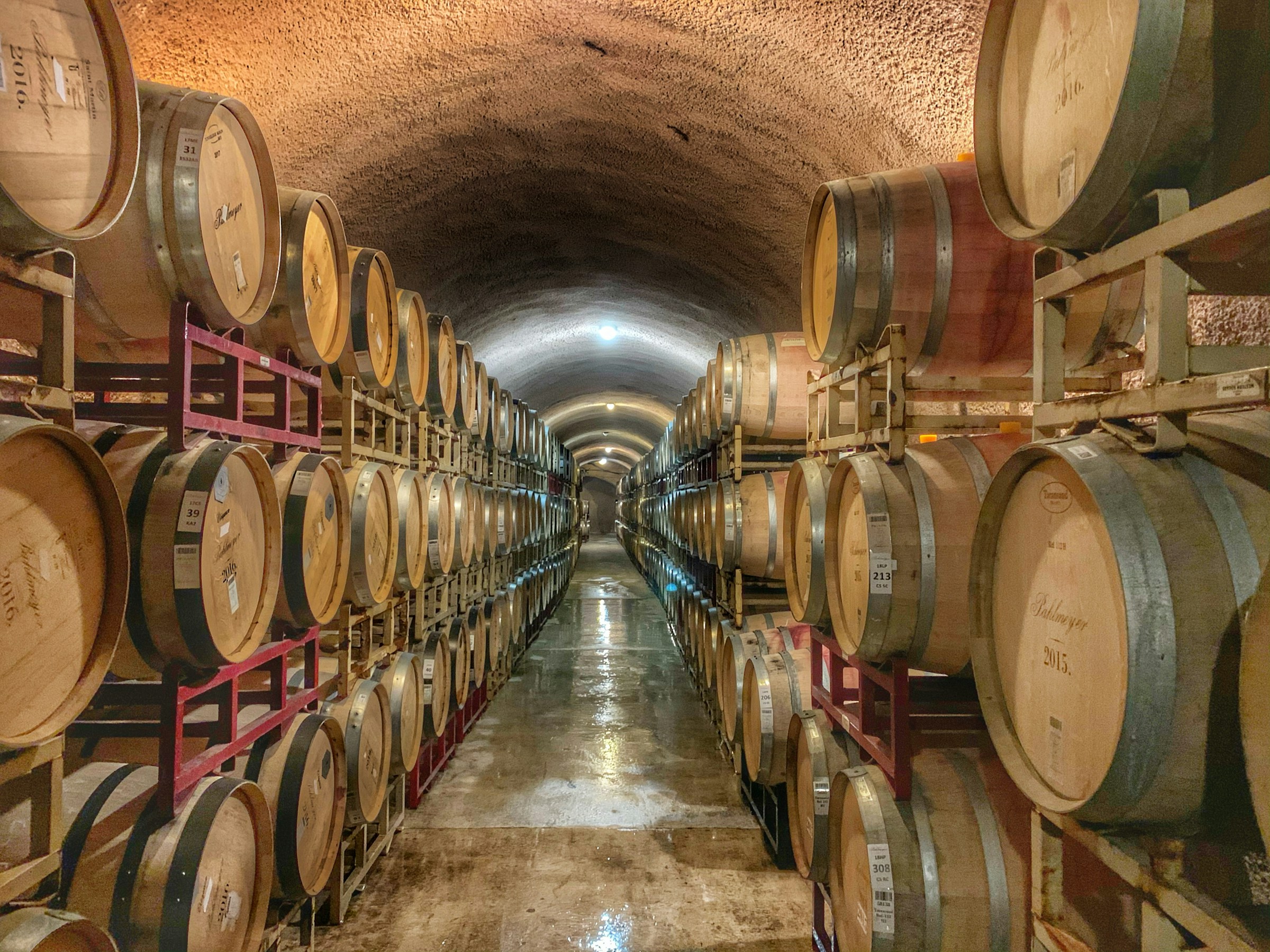
Innovation has always been part of [Winery Name]’s DNA. In the 1920s, the family introduced new fermentation methods to improve flavor clarity, and in the 1950s, they began experimenting with oak barrel aging, elevating the complexity of their wines.

Despite these innovations, tradition remained at the heart of the winery. Vineyards were meticulously maintained, hand-harvesting remained standard practice for the finest grapes, and every bottle was treated as a work of art. This careful balance of old-world wisdom and modern technique became the hallmark of [Winery Name].

Surviving and Thriving

Like all great wineries, [Winery Name] has faced its share of trials. From economic downturns to environmental challenges, the resilience of the vineyard—and the family behind it—has been key. Each setback became a lesson, prompting adaptations in vineyard management, sustainability practices, and winemaking approaches.

Today, [Winery Name] stands as a testament to persistence and vision. The winery produces a diverse portfolio of wines, each reflecting the unique terroir of [Region] and the dedication of those who cultivate it. From robust reds to delicate whites, each bottle tells a story of heritage, craftsmanship, and the passage of time.

A Living Tradition

Perhaps the most remarkable thing about [Winery Name] is that it continues to grow without losing its soul. Modern techniques are embraced, but the philosophy remains the same: respect the land, honor tradition, and craft wines that evoke emotion.

Visitors to [Winery Name] often comment not just on the wines, but on the sense of history that permeates the estate—the weathered barrels, the aged stone cellars, the family portraits lining the halls. It’s a place where every sip connects you to generations past, and every bottle carries a promise of excellence for the future.

[Winery Name] is more than just a winery—it’s a chronicle of passion, resilience, and artistry, reminding us that the best wines are those that tell a story.

Lucien Moreau: Crafting Elegance in Every Bottle

January 16, 2026

In the rolling hills of Burgundy, where mist clings to the vineyards each morning and the soil whispers stories of centuries past, a quiet revolution is taking place in winemaking. At the heart of it stands Lucien Moreau, a winemaker whose dedication to tradition is matched only by his innovative spirit.

A Heritage Rooted in the Vine

Lucien Moreau was born into a family with a deep connection to the land. His ancestors tended vineyards for generations, passing down knowledge that is as much about intuition as it is about technique. From an early age, Lucien could sense the rhythm of the seasons and the subtle nuances in grape ripening. But what sets him apart is his relentless curiosity—he didn’t just inherit tradition; he sought to elevate it.

After formal training in oenology, Lucien traveled across France and Europe, learning diverse winemaking philosophies. Each region contributed a new layer to his understanding, from the precision of Champagne’s méthode traditionnelle to the bold experimentation found in the Rhône Valley. By the time he returned to his family estate, Lucien had a vision: to create wines that honor the land, reflect the vintage, and tell a story with every sip.

Philosophy in a Glass

Lucien Moreau’s approach is a careful dance between nature and craftsmanship. He favors sustainable viticulture, encouraging biodiversity in his vineyards and reducing chemical interventions. “The best wine comes from healthy soil,” Lucien often says. “It’s not about forcing the vine—it’s about listening to it.”

In the cellar, Lucien blends classical techniques with subtle innovations. He employs gentle pressing, precise fermentation temperatures, and selective aging in oak barrels, always guided by the character of the grape. The result is wine that is elegant, balanced, and remarkably expressive—an experience that invites you to slow down and savor the moment.

Signature Wines

Among Lucien Moreau’s acclaimed portfolio, a few wines stand out:

  • Chardonnay “La Lumière” – A graceful white with notes of white peach, almond, and a touch of minerality, reflecting the limestone-rich soils of his vineyard.
  • Pinot Noir “Terre de Lucien” – Silky and refined, with layers of cherry, forest floor, and subtle spice. This wine has been praised for capturing the essence of Burgundy’s terroir without pretense.
  • Cuvée Experimentale – A limited-edition blend where Lucien explores unconventional aging techniques, marrying tradition with creativity.

A Legacy in the Making

What makes Lucien Moreau more than just a winemaker is his dedication to storytelling. Each bottle is a narrative, a reflection of the land, the season, and his philosophy. Wine lovers who taste his creations aren’t just enjoying a beverage—they’re experiencing a dialogue between history, nature, and human craftsmanship.

As the sun sets over Burgundy, casting golden light across the vineyards, Lucien can often be found walking among the rows of vines, tasting, observing, and imagining. For him, winemaking is not just a profession—it’s a lifelong conversation with the earth.

Lucien Moreau’s wines remind us that elegance is born from patience, passion, and respect for tradition, and that every sip is a journey to a place where nature and art meet in perfect harmony.

Our Commitment to Sustainability

January 16, 2026

At [Winery Name], sustainability isn’t just a buzzword—it’s a guiding principle. From the soil beneath our feet to the bottles that leave our cellar, every aspect of our work reflects a deep respect for the environment and a commitment to protecting it for future generations.

Nurturing the Land

Our journey begins in the vineyard. We believe that healthy soil is the foundation of exceptional wine and a healthy planet. That’s why we prioritize organic and regenerative farming practices, encouraging biodiversity and avoiding harmful chemicals whenever possible. Cover crops, natural composting, and careful water management are just a few ways we nurture the land while promoting its long-term resilience.

By working with nature, not against it, we cultivate grapes that are vibrant, expressive, and true to their terroir—all while maintaining the delicate balance of our ecosystem.

Sustainable Practices in Every Step

Sustainability at [Winery Name] extends far beyond the vineyard. In our winery and production facilities, we implement energy-efficient systems, reduce water consumption, and carefully manage waste. From solar-powered equipment to eco-friendly packaging, we constantly evaluate our processes to minimize our environmental footprint.

We also embrace responsible sourcing—selecting materials and suppliers who share our commitment to sustainability. Every choice we make is intentional, aiming to reduce impact without compromising quality.

A Legacy of Responsibility

Being environmentally conscious is about more than just today—it’s about the future. We are dedicated to leaving the land, our community, and our world in better shape than we found it. This commitment drives innovation, inspires our team, and informs the way we connect with our customers.

By supporting [Winery Name], you’re not just enjoying exceptional wine—you’re joining a movement toward a more sustainable, thoughtful, and responsible industry. Together, we can celebrate the joy of winemaking while protecting the planet that makes it all possible.

Looking Forward

Our sustainability journey is ongoing. Every year, we challenge ourselves to adopt new practices, reduce our environmental footprint, and educate others about the importance of stewardship. For us, environmental responsibility isn’t a task—it’s a core value, one that shapes our decisions, our philosophy, and our future.

At [Winery Name], we are proud to produce wines that are not only delicious and memorable but also crafted with care for the earth. Because we know that the best legacy we can leave is a world that continues to flourish for generations to come.

The Art and Science of Winemaking

January 16, 2026

Winemaking is both an art and a science—a delicate balance of nature, intuition, and technique. At [Your Winery Name], every bottle tells a story of craftsmanship, careful decisions, and respect for the grape. Here’s a look behind the scenes at some of the techniques that transform harvested grapes into wine that delights the senses.

1. Hand-Harvesting vs. Mechanical Harvesting

The journey begins in the vineyard. Grapes can be harvested by hand or by machine, and each method has its own advantages.

  • Hand-Harvesting: This traditional approach allows for careful selection of the ripest, healthiest grapes. It’s labor-intensive but ensures only the best fruit makes it to the winery, preserving delicate flavors and aromas.
  • Mechanical Harvesting: Faster and more efficient, mechanical harvesters are ideal for large vineyards. Modern machines can even be adjusted to minimize damage to grapes, maintaining quality while saving time.

2. Crushing and Pressing

Once harvested, grapes undergo crushing and pressing to release their juice:

  • White wines: grapes are often pressed gently before fermentation to separate juice from skins, minimizing tannins and bitterness.
  • Red wines: grapes are typically crushed but fermented with their skins to extract color, flavor, and tannins, giving the wine its structure and complexity.

3. Fermentation: Where Magic Happens

Fermentation is the heart of winemaking—the moment when grape sugars are transformed into alcohol by yeast. Winemakers can choose between:

  • Wild Fermentation: Using naturally occurring yeasts from the vineyard or winery, which can produce complex and unique flavors.
  • Cultured Yeast Fermentation: Using selected strains for more predictable and controlled results.

Temperature control during fermentation is crucial: cooler temperatures preserve delicate aromas in whites, while warmer conditions help extract richness and body in reds.

4. Aging: Developing Depth and Character

After fermentation, wine often undergoes aging to develop depth and complexity. Different techniques influence the wine’s final character:

  • Oak Barrels: Impart flavors like vanilla, spice, and toast, while allowing gentle oxygen exposure that softens tannins.
  • Stainless Steel Tanks: Preserve freshness and fruit-forward flavors, ideal for crisp whites and aromatic wines.
  • Concrete or Clay Vessels: Sometimes used for subtle minerality and natural temperature regulation, offering a unique texture and expression.

The duration of aging varies by style—from a few months for a bright, fresh white to several years for a bold, structured red.

5. Blending and Bottling

Blending is where the winemaker’s artistry truly shines. Different lots or varietals can be combined to achieve balance, complexity, and harmony. After careful blending, the wine is clarified, filtered, and bottled—ready to continue its journey in your glass.

6. Sustainable and Innovative Techniques

Many modern wineries, including [Your Winery Name], are adopting sustainable techniques: organic or biodynamic viticulture, energy-efficient fermentation methods, and minimal intervention in the cellar. These practices respect the environment while often enhancing the authenticity of the wine.

Introducing Our Music Venue

January 16, 2026

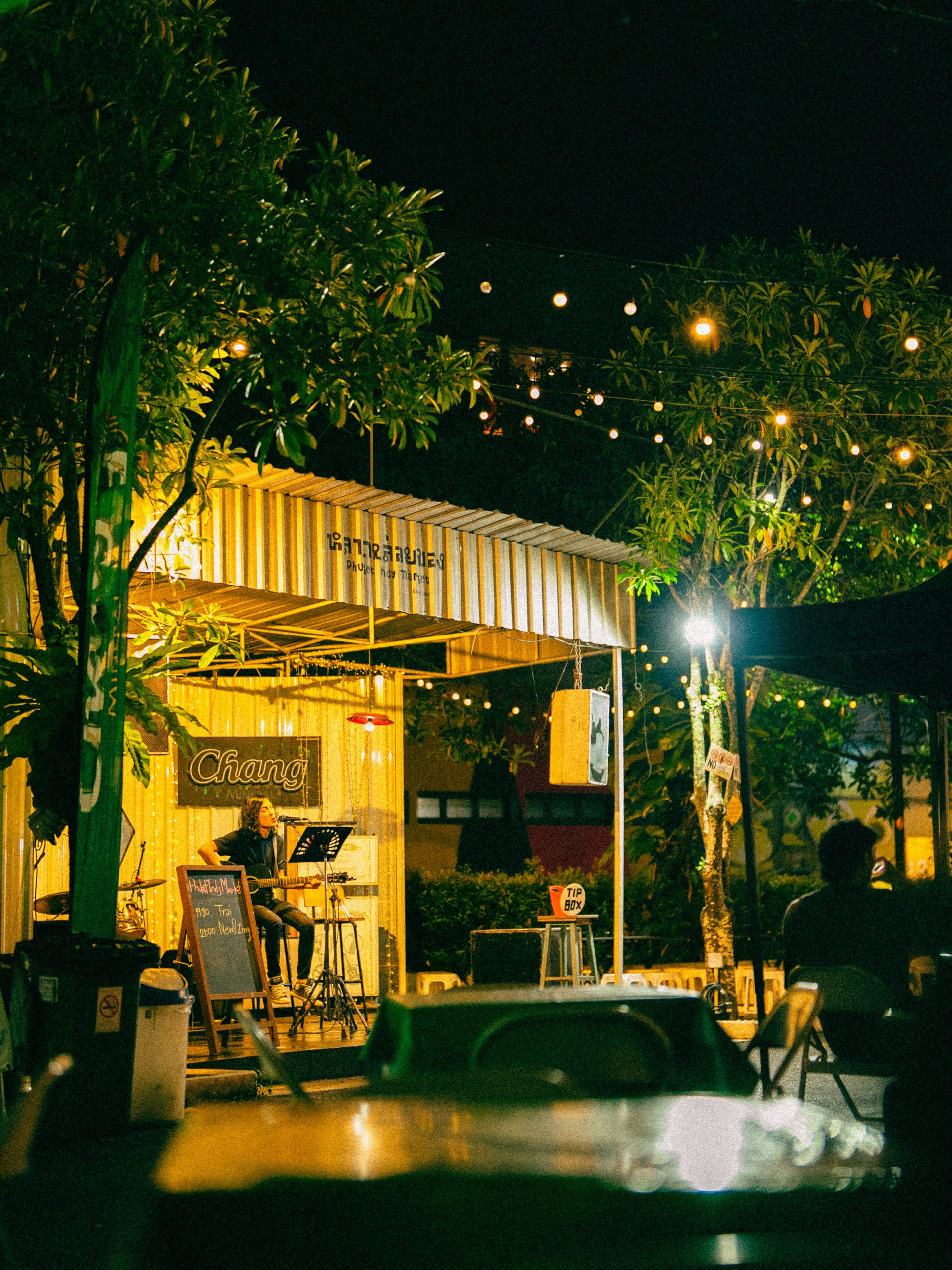
We’re thrilled to announce the opening of [Venue Name], our brand-new music venue at [Winery Name]! Now, you can enjoy world-class live performances surrounded by the beauty of our vineyards, with a glass of your favorite wine in hand.

This intimate venue blends rustic charm with modern acoustics, creating the perfect setting for everything from jazz and classical concerts to acoustic sessions and local talent showcases. Whether it’s a warm summer evening or a crisp autumn afternoon, live music at the winery offers an unforgettable sensory experience.

At [Winery Name], we’ve always believed that wine is meant to be savored—and now, it can be paired with the joy of live music. Come for the wine, stay for the melodies, and experience our vineyard in a whole new way.

Stay tuned for our inaugural concert schedule—cheers to music, community, and the perfect harmony between vineyard and stage!

The Secret Beneath the Vine

January 15, 2026

When we think about wine, our minds often go to the grape, the vintage, or the winemaker’s craft. But at the heart of every great wine lies something far less obvious—the soil beneath the vine. At [Your Winery Name], we believe that understanding and caring for the earth is the first step in creating exceptional wines.

The Foundation of Flavor

Soil is much more than dirt—it’s a living ecosystem that influences the vine’s growth, the grape’s ripening, and ultimately, the wine’s flavor. Different soil types—limestone, clay, sand, or gravel—affect water drainage, mineral availability, and root development. These factors shape the complexity, structure, and aroma of the wine.

For example:

  • Limestone-rich soils often produce wines with bright acidity and elegant minerality.
  • Clay-heavy soils retain water, supporting fuller-bodied wines with depth and richness.
  • Sandy soils encourage lighter, aromatic wines with delicate textures.

Understanding these nuances allows winemakers to match grape varietals to the terroir that will bring out their best characteristics.

Soil as a Living System

Healthy soil is alive. It’s full of microorganisms, fungi, and nutrients that work together to support the vines. Practices like cover cropping, composting, and minimal chemical intervention help maintain this balance. When the soil thrives, so do the vines—and the grapes they produce are more expressive and vibrant.

The Link to Terroir

In winemaking, the French concept of terroir is central. Terroir refers to the combination of soil, climate, topography, and vineyard practices that give a wine its sense of place. The soil is the anchor of terroir, shaping not just the vine’s health but the personality of the wine itself. Two vineyards in the same region can produce completely different wines, and often the key difference lies beneath the surface.

Caring for the Soil, Caring for the Wine

At [Your Winery Name], we invest time and care into nurturing our soil. Healthy, well-managed soil allows the vine to develop deep roots, access nutrients naturally, and withstand climatic challenges. The result? Grapes that reflect the true character of our vineyards and wines that tell the story of our land.

A Toast to the Earth

Next time you savor a glass of wine, take a moment to think about what lies beneath. The flavors, aromas, and textures you enjoy are rooted in the earth itself. By respecting and understanding the soil, winemakers can craft wines that are not only delicious but also a true reflection of their vineyard’s unique environment.

At [Your Winery Name], every bottle is a tribute to the hidden foundation that makes exceptional wine possible—the soil beneath the vine.